Common Methods Used for Foundation Raising and Leveling
People seeking foundation raising and leveling aim to stabilize and straighten their homes, and local contractors can provide effective methods to restore foundation integrity.
Understanding the common methods used for foundation raising and leveling can help property owners make informed decisions when addressing structural concerns. Whether experiencing settling, cracking, or uneven floors, knowing the practical approaches available can provide clarity and confidence in the options that local contractors might recommend. This knowledge is especially relevant for homeowners and property owners in the area who want to ensure their foundations remain stable and secure, preserving the value and safety of their properties.
Local service providers often utilize a variety of techniques tailored to the specific needs of each foundation issue. These methods may include underpinning, mudjacking, or piering, among others-each designed to restore proper alignment and support. Exploring these common approaches can help property owners understand what to expect and how these solutions might be applied to their unique situations. For those seeking reliable foundation raising and leveling services, connecting with experienced local contractors can ensure the job is handled effectively and with care.
- Concrete mudjacking is a common method used for foundation raising and leveling when existing concrete slabs have settled or cracked, with local contractors injecting a grout mixture beneath the surface. Steel piers are often employed for homes with significant foundation movement, where specialists drive these supports deep into stable soil to lift and stabilize the structure. Helical or screw piles are utilized in cases requiring precise leveling, as experienced service providers install these deep into the ground to provide firm support. Foam jacking involves injecting polyurethane foam beneath the foundation to lift and level it, with local pros applying this technique for quick and minimally invasive repairs. Underpinning is a method where foundation supports are reinforced or extended to restore proper elevation, typically handled by contractors with expertise in structural stabilization.
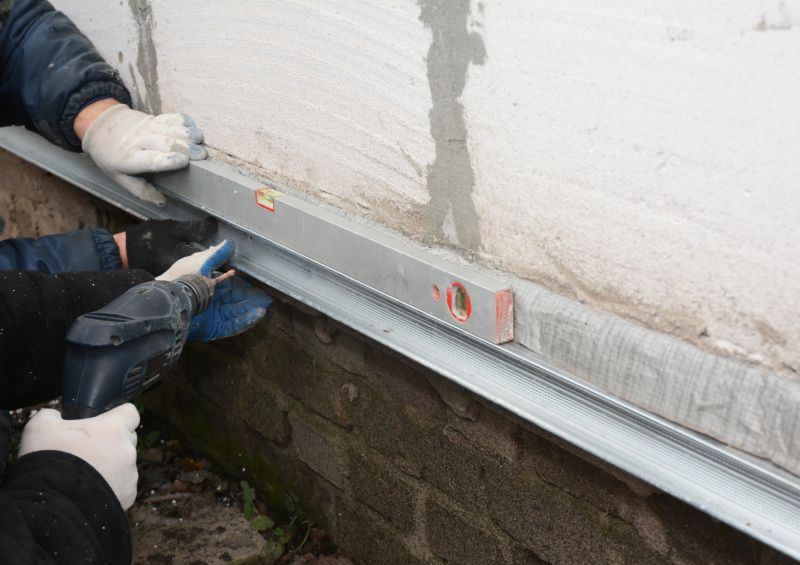
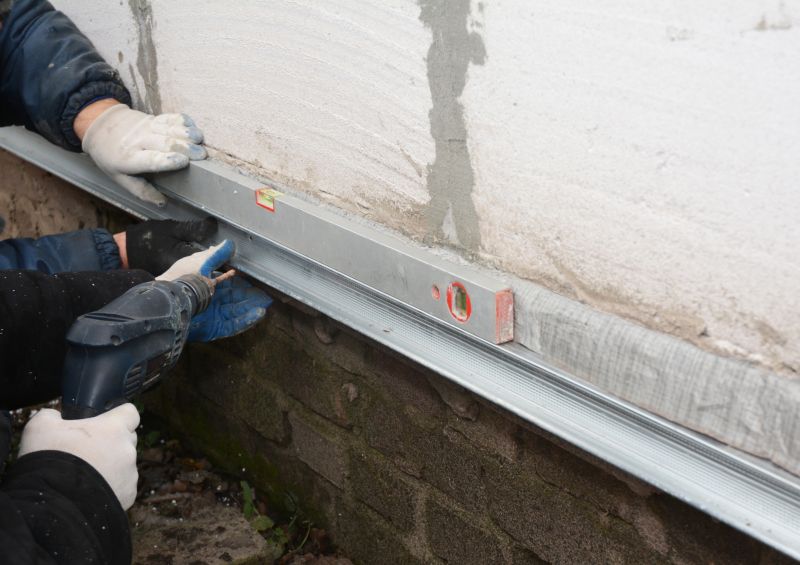
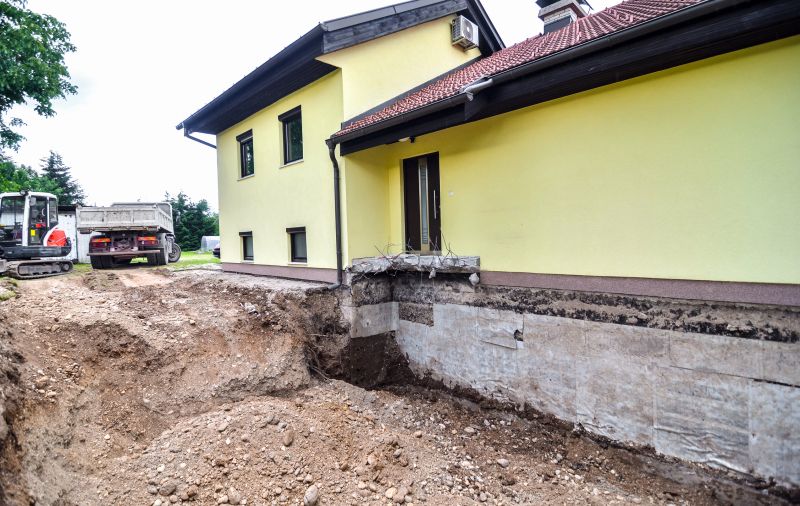
When searching for information about common methods used for foundation raising and leveling, homeowners are often exploring solutions to address issues with their property's stability and safety. These problems typically manifest as uneven floors, cracked walls, sticking doors or windows, or visible shifts in the foundation itself. Such concerns usually relate to plans for repair or stabilization of existing structures, especially when the foundation has settled unevenly or experienced movement over time. Property owners may be considering these methods as part of a renovation project, or to prevent further damage in homes that have developed signs of foundation distress. Understanding the different techniques available helps homeowners make informed decisions about which approach might be suitable for their specific situation and how local contractors can assist in executing these solutions effectively.
The common methods used for foundation raising and leveling often involve specialized equipment and techniques designed to stabilize and restore the foundation’s proper position. One widely used approach is underpinning, where additional support is installed beneath the existing foundation to lift and stabilize it. This can include the use of piers-such as push piers or helical piers-that are driven into stable soil layers below the foundation, then used to lift and support the structure. Another method is mudjacking or slab jacking, which involves pumping a mixture of materials beneath the slab to fill voids and raise the foundation to a more level position. These techniques are chosen based on the type of foundation, soil conditions, and the extent of settling or shifting. Local service providers typically evaluate each property to determine the most suitable method, ensuring the repair process addresses the root causes of the problem.
Properties that typically require foundation raising and leveling are often residential homes, especially those built on expansive or unstable soils. Older houses, particularly those with concrete slabs or pier-and-beam foundations, are common candidates for these services. Additionally, properties in areas prone to soil movement-such as regions with clay-rich soil or frequent moisture fluctuations-may experience foundation issues that necessitate intervention. Commercial buildings, garages, and additions to existing structures can also benefit from foundation stabilization methods when settling or unevenness threaten the integrity of the property. Regardless of the property type, local contractors specializing in foundation raising and leveling are equipped to assess the specific needs of each project, ensuring that the chosen method effectively restores stability and prevents future problems.
Understanding the common methods used for foundation raising and leveling helps homeowners connect their property concerns with the appropriate repair solutions. These techniques are designed to address issues caused by soil movement, moisture changes, or poor initial construction, which can compromise the safety and value of a property. By working with experienced local service providers, property owners gain access to tailored solutions that suit their specific foundation type and soil conditions. Properly executed foundation raising and leveling can improve structural integrity, prevent further damage, and help maintain the property’s value over time. Homeowners should consider these methods as part of a comprehensive approach to foundation health, ensuring that repairs are performed correctly and sustainably by qualified local contractors.
Foundation Repair Projects - These projects often require similar skills and tools used in foundation raising and leveling to stabilize and restore structural integrity.
Concrete Slab Lifting - Techniques such as mudjacking or foam jacking are common methods that share planning and equipment with foundation leveling services.
Basement Waterproofing - Proper leveling and raising foundations can prevent water intrusion, making waterproofing a related service that involves similar site preparation.
Crawl Space Stabilization - This work involves adjusting and supporting the foundation structure, closely related to foundation raising methods.
Soil Stabilization and Compacting - Ensuring stable soil beneath a foundation is a key step that aligns with the planning and tools used for foundation leveling.
Structural Reinforcement Projects - Strengthening and supporting existing structures often require foundation adjustments similar to those in foundation raising and leveling services.
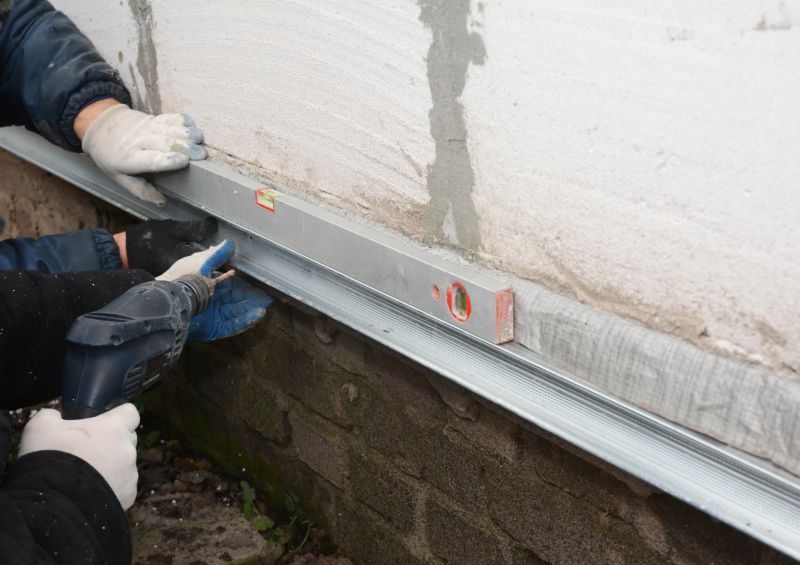
When evaluating local contractors for foundation raising and leveling, it is important to consider their experience with similar projects. Homeowners should seek service providers who have a proven track record of successfully handling foundation adjustments comparable to their specific needs. An experienced contractor will be familiar with the common methods used for foundation raising and leveling, and will be able to explain how these approaches can be applied to address the unique conditions of the property. This familiarity can help ensure that the work is performed efficiently and effectively, reducing the likelihood of complications down the line.
Clear written expectations are essential when comparing foundation raising and leveling services. Homeowners should look for service providers who can provide detailed descriptions of their proposed methods, including the steps involved and the materials used. Having a comprehensive, written outline of the project helps prevent misunderstandings and ensures that all parties are aligned on the scope of work. It also provides a reference point for assessing whether the contractor’s approach aligns with the homeowner’s goals and the specific requirements of their foundation.
Reputable references and good communication are key factors in choosing a reliable service provider. Homeowners are encouraged to ask for references from past clients who had similar foundation issues addressed. Speaking with previous customers can provide insights into the contractor’s professionalism, quality of work, and ability to communicate clearly throughout the project. Good communication from the outset helps ensure that questions are answered thoroughly and that expectations are managed effectively, leading to a smoother process and a satisfactory outcome when it comes to foundation raising and leveling.
Property owners often search for common methods used for foundation raising and leveling when they are planning practical projects around their homes and businesses. Local pros provide Foundation Raising and Leveling services for everyday jobs and straightforward project options.
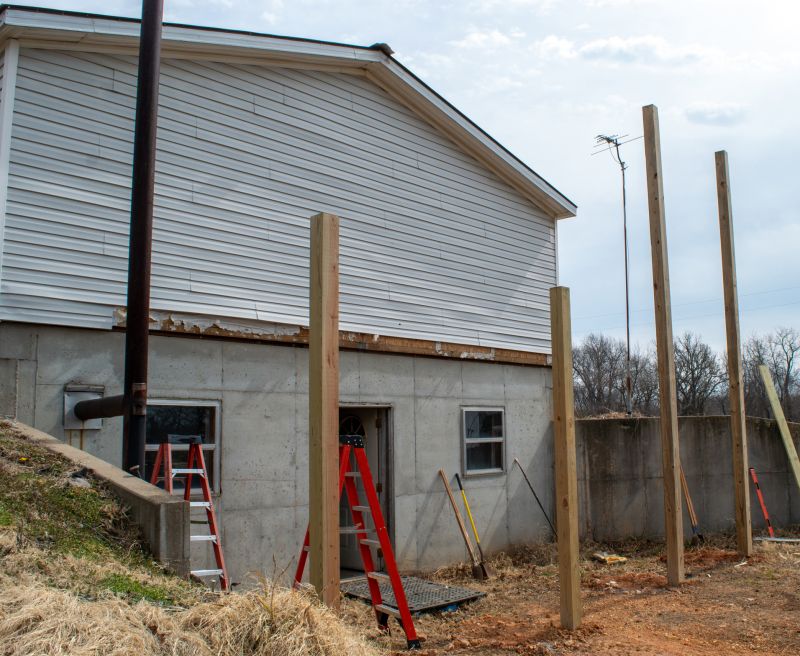

Understanding the common methods used for foundation raising and leveling can help property owners identify solutions when they notice uneven floors, cracks in walls, or other signs of foundation issues. In typical project situations, local contractors often utilize techniques like mudjacking or slabjacking, which involve injecting a mixture beneath the foundation to lift and stabilize it. For more extensive problems, underpinning methods such as pier and beam systems or helical piers might be employed to provide long-term support and ensure the structure remains level.
Property owners in the area might seek out foundation raising and leveling services from local service providers to address shifting or settling foundations that can affect the safety and value of their homes. These professionals can assess the specific condition of a foundation and recommend appropriate methods based on the severity of the issue. Whether the solution involves minimally invasive approaches or more comprehensive reinforcement, local contractors are equipped to handle the job, helping homeowners maintain a stable and level foundation for years to come.
What are common methods used for foundation raising and leveling? Local contractors often use techniques such as mudjacking, polyurethane foam injection, and pier and beam adjustments to raise and level foundations effectively.
How does mudjacking work for foundation leveling? Mudjacking involves injecting a slurry of soil and cement beneath the foundation to lift and stabilize it, a method frequently employed by local service providers.
What is polyurethane foam injection in foundation raising? This method uses expanding foam to fill voids and lift the foundation, offering a quick and minimally invasive solution used by local pros.
Are pier and beam systems used for foundation leveling? Yes, piers are installed beneath the foundation to lift and support it, especially suitable for homes with pier and beam foundations, with local contractors providing this service.
Can foundation leveling methods be combined? Yes, local foundation specialists often combine techniques like mudjacking and pier installation to address complex foundation issues effectively.
- property owners can consider mudjacking to lift and level uneven concrete slabs around their homes, with local contractors providing the necessary equipment and expertise.
- this method involves installing piers beneath the foundation to stabilize and raise it, which local service providers can perform in areas with shifting soil.
- a technique where a grout mixture is injected beneath a concrete slab to lift it back into position, often used for driveways and patios by local contractors.
- for properties on difficult soil, screw piles can be installed to lift and support foundations, with local pros offering this method for precise leveling needs.
If you are thinking about common methods used for foundation raising and leveling for a property, this guide is meant to help you understand this topic, the typical project types, and how different options might fit your plans.
When you are ready, you can use the quote form on this page to share a few details about your project. From there, local pros can review the basics and follow up with options that match what you have in mind.